Bronchiolitis: Supporting Little Lungs Through the Winter Months
- Published on:
Bronchiolitis: Supporting Little Lungs Through the Winter Months
- Published on:
On this page
As autumn fades into winter, coughs, colds and sniffles become a familiar part of family life. While most seasonal viruses cause little more than a few miserable days, some can lead to more serious illnesses in babies and young children. One of the most common of these is bronchiolitis.
For many families, bronchiolitis can be a worrying experience. Although most babies recover well with time and supportive care, some need hospital treatment and, in more severe cases, additional respiratory support. Understanding what bronchiolitis is, who is most at risk, and how modern therapies can help may give parents greater confidence when navigating the winter virus season.
A Common Winter Illness
As older children return to school and younger ones attend nursery, respiratory viruses spread easily through close contact. Colder temperatures and more time spent indoors create the perfect environment for seasonal infections to circulate.
Bronchiolitis is an acute viral infection that affects the small airways of the lungs, known as the bronchioles. It usually starts with symptoms similar to a common cold, such as a runny nose and mild cough. Over several days, the infection can cause inflammation and increased mucus production, making it harder for babies to breathe comfortably.
Common signs of bronchiolitis include:
- Rapid or laboured breathing
- Wheezing or crackling sounds when breathing
- A persistent cough
- Irritability or unsettled behaviour
- Difficulty feeding or drinking
- Tiredness and reduced activity
Which Babies Are Most at Risk?
The reassuring news is that most children with bronchiolitis experience a mild illness and recover at home with supportive care.
However, some babies are more vulnerable to complications, particularly those born prematurely or those with underlying heart conditions, lung disease, or weakened immune systems. For these children, bronchiolitis can lead to significant breathing difficulties and may require hospital admission. In fact, bronchiolitis is the most common reason for hospital admission during the first year of life (Lewis et al., 2020).
When Extra Oxygen Support Is Needed
Many babies admitted to hospital will only need careful monitoring, support with feeding and hydration, and sometimes supplemental oxygen. The National Institute for Health and Care Excellence (NICE) recommends supportive care as the mainstay of treatment for bronchiolitis, with oxygen therapy considered when oxygen saturation levels fall below recommended thresholds (NICE, 2021).
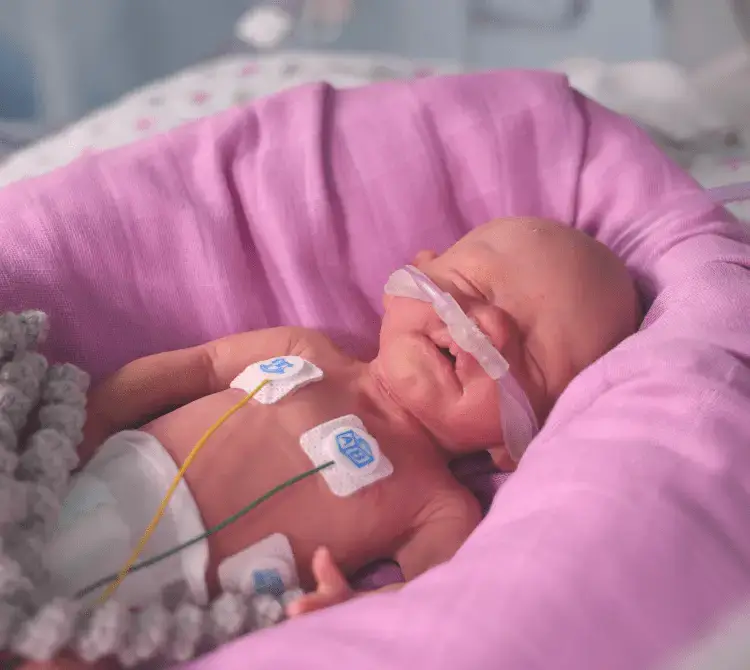
The first step is usually low-flow oxygen delivered through small nasal cannulas. If a baby’s condition worsens despite this treatment, clinicians may consider high-flow humidified oxygen therapy. (O’Brien et al., 2019).
This therapy delivers warmed, humidified oxygen at higher flow rates, helping to improve oxygen levels while keeping delicate airways moist and comfortable. High-flow therapy may also reduce airway resistance and provide a small amount of positive pressure to support breathing (Kepreotes et al., 2017).
When Children Need Intensive Care Support
Although uncommon, some children become seriously unwell with bronchiolitis. Repeated episodes of apnoea (pauses in breathing), increasing respiratory distress, or respiratory failure may require admission to a Paediatric Intensive Care Unit (PICU). Children with existing health conditions are more likely to require this level of specialist care (Ghazaly and Nadel, 2018).
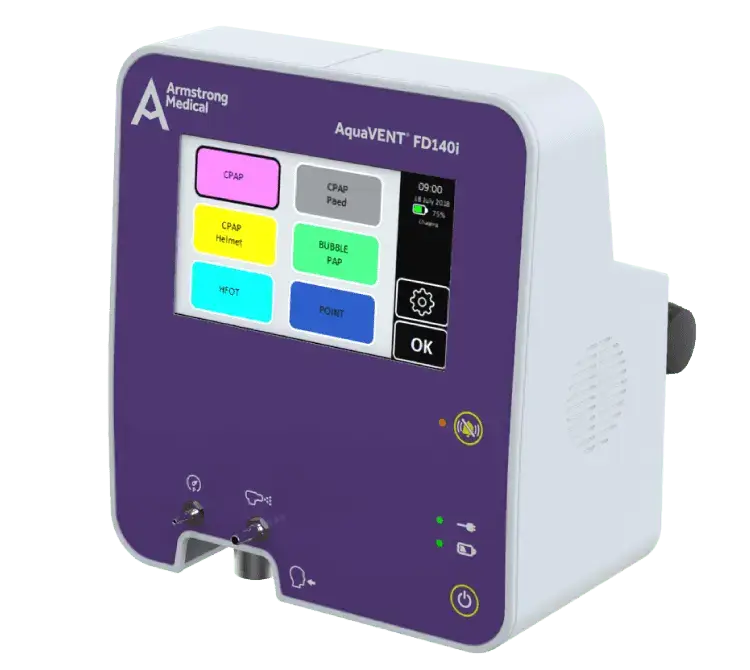
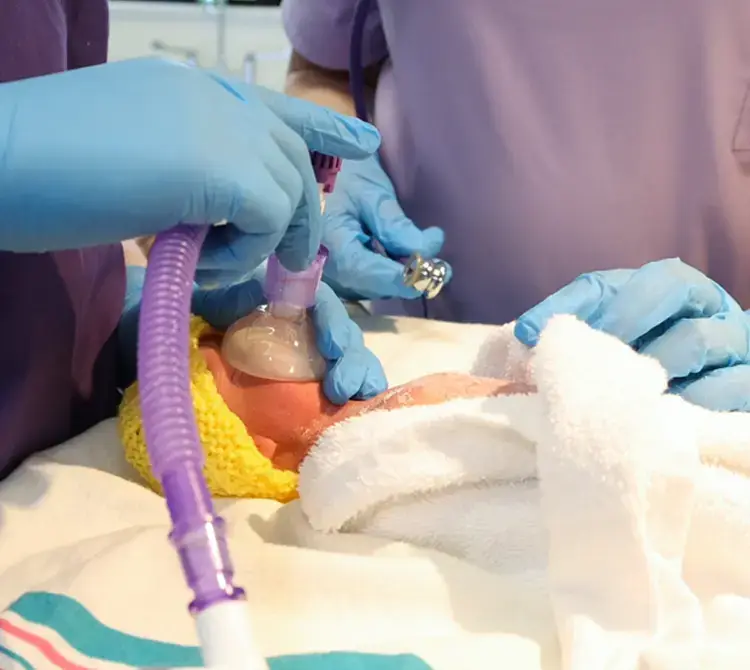
One of the most effective treatments for severe bronchiolitis is Continuous Positive Airway Pressure, commonly known as CPAP. CPAP works by delivering a gentle, continuous flow of pressurised air through a mask or nasal prongs. This pressure helps keep the small airways open, making breathing easier and improving oxygen exchange. Although the equipment may look daunting to parents at first, CPAP has been used safely in paediatric care for many years and remains an important tool in helping babies recover from severe respiratory illness.
When Children Need Intensive Care Support
For most families, bronchiolitis is an unpleasant but short-lived illness that resolves with rest, fluids and supportive care. However, recognising early signs of breathing difficulties and understanding when medical support may be needed is important, particularly for babies who are born prematurely or have underlying health conditions.
Advances in respiratory support, including high-flow humidified oxygen and CPAP, are helping clinicians provide effective, evidence-based care for infants with more severe symptoms. As another winter virus season arrives, these therapies continue to play a vital role in supporting vulnerable babies when they need it most.

Janine Thomas
Clinical Product Lead RN
Janine works closely with the commercial team to bridge clinical insight and healthcare innovation. With over 32 years of experience as a registered nurse across Emergency Medicine, Surgery, High Dependency Units, and digital healthcare, she brings a deep understanding of both the patient journey and the realities of frontline clinical care.
Passionate about improving outcomes, Janine champions the adoption of best-in-class therapies and believes that patient wellbeing should remain at the heart of every healthcare decision.
References
- Ghazaly M, Nadel S. (2018) Characteristics of children admitted to intensive care with acute bronchiolitis. European Journal of Pediatrics, 177(6), 913-920. https://doi.org/10.1007/s00431-018-3138-6
- Kepreotes, E., Whitehead, B., Attia, J., Oldmeadow, C., Collison, A., Searles, A., Goddard, B., Hilton, J., Lee, M. and Mattes, J. (2017) High-flow warm humidified oxygen versus standard low-flow nasal cannula oxygen for moderate bronchiolitis (HFWHO RCT): an open, phase 4, randomised controlled trial, The Lancet, 389(10072), pp. 930-939. doi:10.1016/S0140-6736(17)30061-2.
- Lewis KM, De Stavola B, Hardelid P. (2020). Geospatial and seasonal variation of bronchiolitis in England: a cohort study using hospital episode statistics. Thorax, 75(3), 262-268. doi:10.1136/thoraxjnl-2019-213764
- National Institute for Health and Care Excellence (NICE) (2021) Bronchiolitis in children: diagnosis and management (NG9). Updated August 2021. London: NICE. Available at: https://www.nice.org.uk/guidance/ng9
- O’Brien, S., Borland, M.L., Oakley, E., Dalziel, S.R. and Babl, F.E. (2019) ‘National guidelines for bronchiolitis’, Journal of Paediatrics and Child Health, 55(6), p. 728. doi:10.1111/jpc.14463