- INSPIRE White Paper
What role can heated humidified gases play in the perioperative setting?
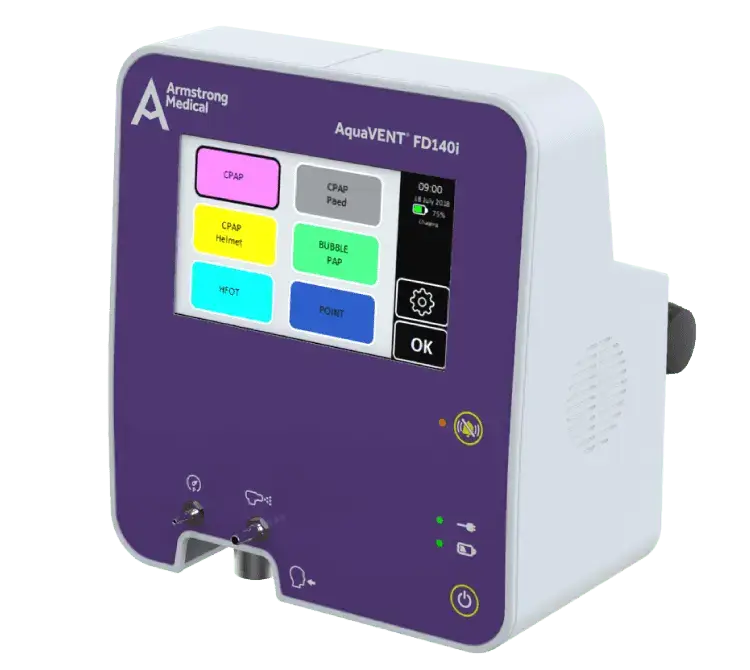
- Product Featured: HFOT for Perioperative Care
Introduction
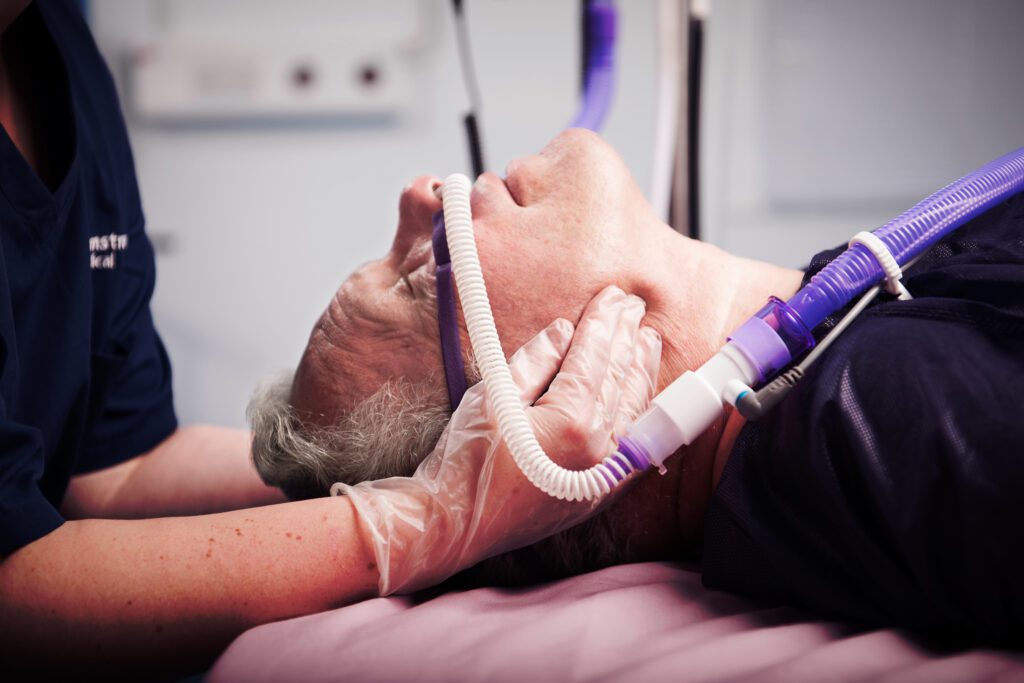
The use of heated and humidified gases in the perioperative setting has become increasingly popular in recent years due to its numerous benefits for both the patient and the surgical team.
This paper will discuss the complications that may arise during theatre and the benefits and challenges that heated and humidified gases can provide to the patient and surgical team whilst exploring the different devices available for this therapy and the evidence supporting their use in the perioperative setting.
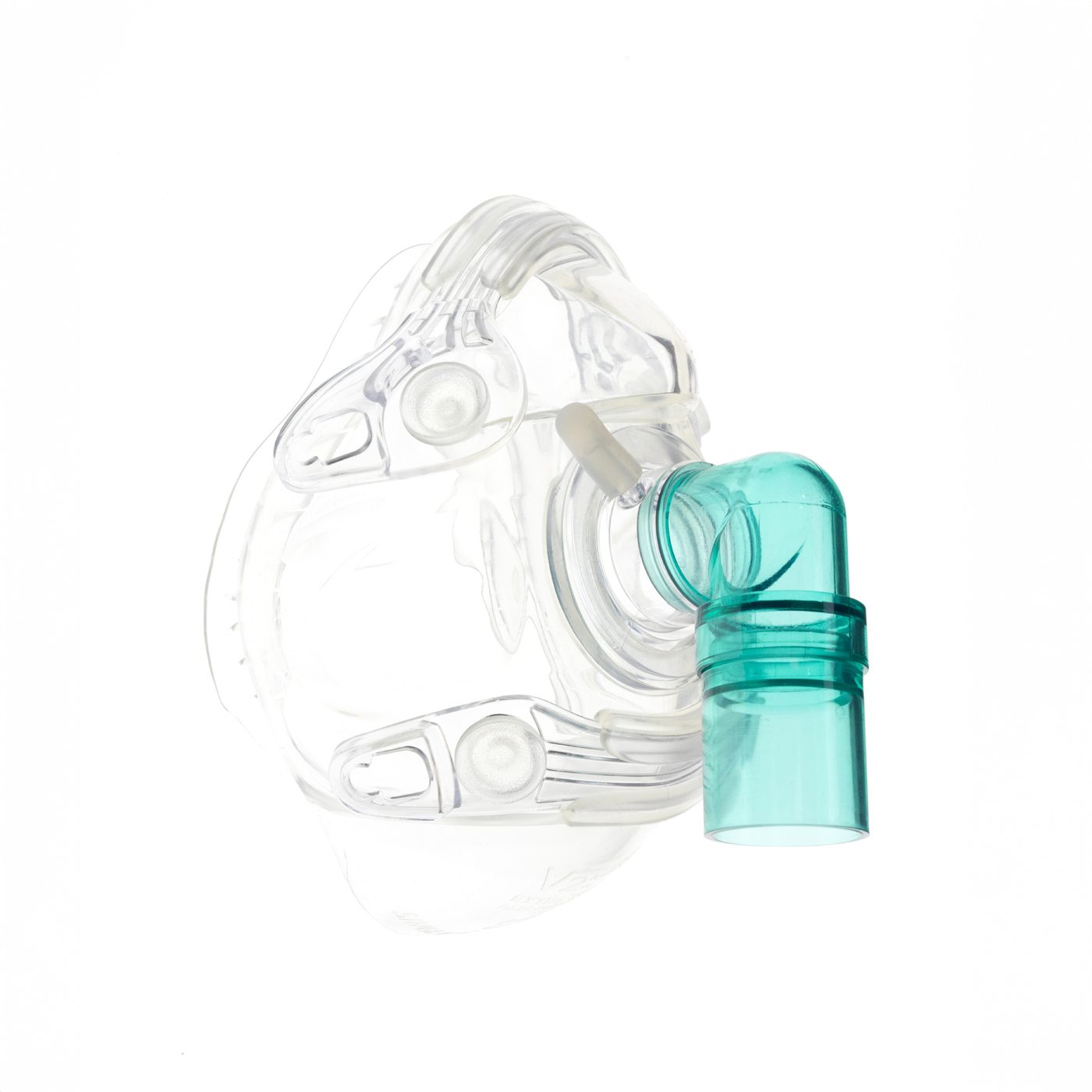
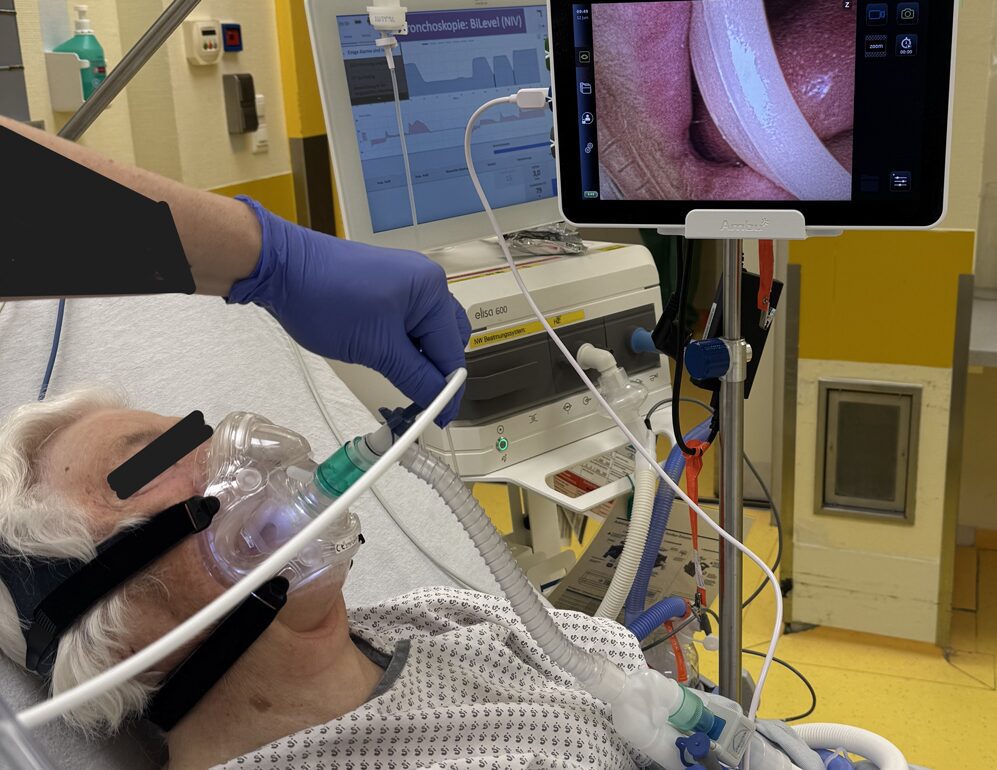
These gases are typically oxygen, air, or nitrous oxide, and can be heated and humidified before being delivered to the patient through a breathing circuit with a nasal cannula or mask.
Under normal conditions the upper airway and respiratory tract are responsible for heating and humidifying inspired air but in theatre this natural function is often bypassed by an artificial airway and therefore needs to be replaced. This practice of conditioning the medical gases is also known as perioperative humidification, is typically used to reduce the risk of complications and improve patient comfort during surgery, even in short term procedures.
The role of humidity and the devices available
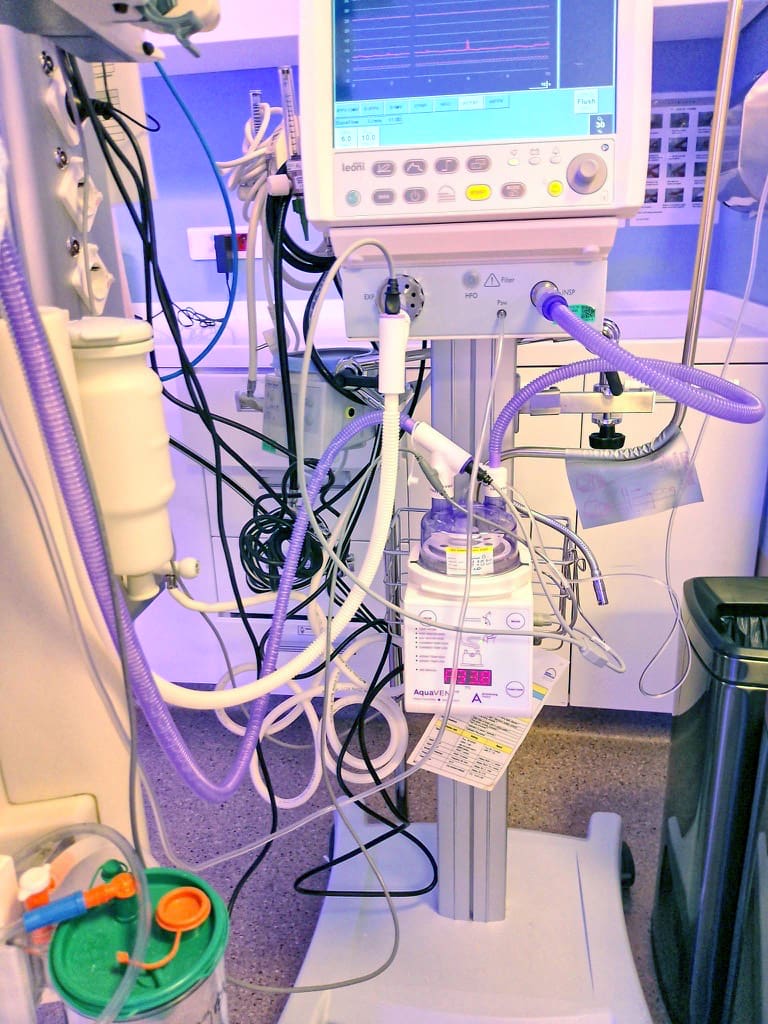
There are several types of devices available that provide heated and humidified gases in the perioperative period. One common type of device is a heater humidifier, which heats and humidifies the gases as they pass through a water chamber.[1]
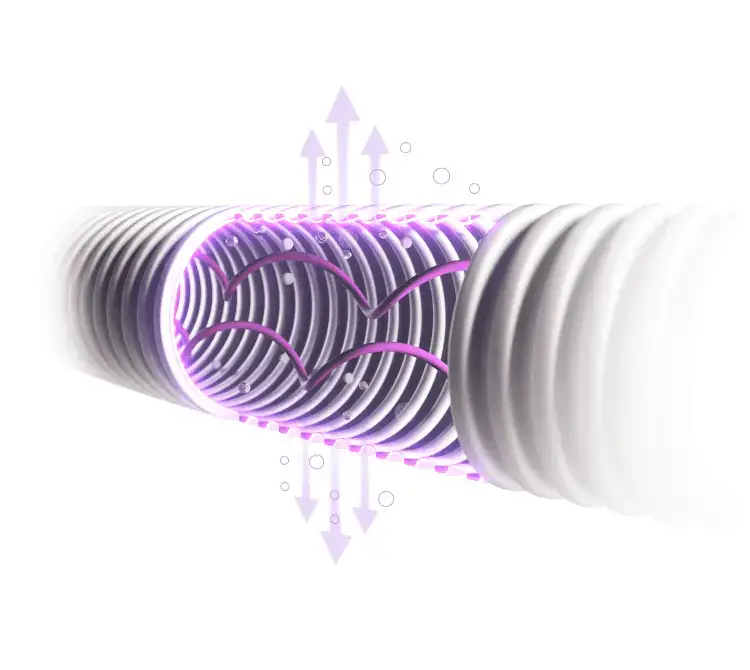
Active humidifiers consist of an electric heater enclosed by a plastic casing with a metallic base, in which sterile water is stored. When the base is warmed, the water temperature increases by convection. Some active humidifiers are self-regulated by a mechanism consisting of a heating wire (heated-wire breathing circuit) that keeps the gas temperature constant during its passage through the circuit and a wire with two temperature sensors connected to the exit of the heater (distal) and to a part of the circuit (close to the patient) to control the system temperature.[2]
Another method to use is a heat and moisture exchanger, which is a device placed between the patient and the breathing circuit or mask. These simple condensers are constructed with elements made of disposable foam, synthetic fibre, or paper, with a significant surface area that can generate an effective temperature gradient through the device delivering heat on each inspiration. The exchanger captures the moisture from the patient’s exhaled breath and uses it to humidify and warm the gases that are delivered to the patient.[3]
Under normal physiologic functioning of the respiratory tract, the nasal air passages warm inspiratory air from ambient to 37°C and humidify the incoming air to 100% relative humidity (RH). RH is the percentage ratio between the amount of water vapour present in the air and the amount of vapour needed to make the air saturated.
Absolute humidity (AH) is the measure of water vapour or moisture in a volume of air. The warmer the air is, the more water it can absorb and the higher the maximum AH is. Humidity is the amount of water in its vaporous state contained in a gas. By definition, gas that is at 100% RH holds as much water as possible before water droplets begin to spontaneously form. [4]
In a study by Dysart et al. it was shown that this process involves an energy cost for the patient conditioning inspired gases and can be reduced by the introduction of a heater humidifier. A normal adult breathing a 500-ml tidal volume for each breath at a respiratory frequency of 12 breaths/min requires approximately 156 cal/min for the heating and humidifying of nspired gas. Dysart et al. also suggested that utilising a device that completely warms and humidifies inspiratory gas likely impacts oxygen need and CO₂ production by reducing this energy requirement.[4]
Whichever device is chosen it should infallibly meet the minimum requirements to replace the function of the upper airway according to the American Association for Respiratory Care (AARC).[5]
- These include:
30mg/L absolute humidity, 34°C and 100% relative humidity for HME. - 33 and 44mg/L absolute humidity for active humidifier,
- 34°C and 41°C; 100% relative humidity for active humidifier.[21]
Following on from this the AARC recommend humidification is used on every patient receiving invasive mechanical ventilation and active humidification is recommended for patients receiving NIV as it may improve adherence and comfort.[5]
What happens to the airway during surgery?
The airway is the path air takes to reach your lungs. Air moves in through the mouth and nose, where hairs in the nose filter out larger particles of dirt and dust. As the air passes through these structures, it is warmed and moistened to optimise gaseous exchange. Inspired gas is conditioned in the pharynx, trachea, and bronchioles by taking heat and moisture from the mucosal lining of the respiratory tract which cools and dries the mucosa. The trachea is lined with mucus and a ciliated epithelium, which traps and removes additional dirt, dust and pathogens. The air then passes into the lower respiratory tract which comprises bronchi, bronchioles, and alveoli. The warmed and moistened air passes through the bronchi, into the bronchioles and finally arrives at the alveoli where gaseous exchange occurs.[6]
During surgery, the airway can become dry due to a variety of factors, including the use of anaesthesia, the administration of dry oxygen through a breathing circuit, and the natural evaporation of moisture from the airway.[7]
When a patient’s trachea is intubated or a supraglottic airway device is placed in situ, the normal warming, humidifying, and filtering functions of the upper airways are bypassed which prevents inspired air from contacting the mucosa of the upper airway affecting gas conditioning. With inadequate humidity being delivered directly to the trachea; damage can occur to the lining of the trachea.[6]
This dryness can cause the airway to become inflamed, which can lead to complications such as coughing, laryngeal spasm, and bronchoconstriction.[8,9]
The patient is already at an increased risk of airway obstruction as the decrease in muscle tone associated with loss of wakefulness is compounded by specific drug induced inhibition of upper airway neural and muscle activity. Although the incidence of severe perioperative bronchospasm is low, in high-risk patients undergoing anaesthesia, when it does occur it can be life threatening due to obstruction of the airway.[10]
Furthermore, Fontanari et al. showed that receptors in the nasal mucosa respond to cold and dry gas to elicit a protective bronchoconstrictor response in both normal subjects and asthmatics.[8,9]
Chalon et al. showed that after less than 4 hours of mechanical ventilation, anesthetised patients who received inadequately humidified gas had significantly more postoperative complications than patients who received saturated gas.[11] By providing moist, warm gases to the airway, perioperative humidification helps keep the airway hydrated and reduces the risk of these complications.
Mucociliary clearance
Mucociliary clearance, affected by the coordinated beating of cilia, is the first line of defence to maintain pulmonary health and is responsible for clearing both the upper (nasal cavity) and lower airways of mucus, particulate matter, and pathogens.
Williams et al. described a range of dysfunction that can occur in the respiratory tract if the humidity and temperature of the delivered gas to a patient are not optimal.[12] These include thickened mucus, causing mucociliary transport to slow or stop, reduced ciliary movement, causing cell damage and decreased lung compliance, and reducing functional residual capacity which can lead to atelectasis and shunting.[12] A study by Hansani et al. showed that warm air humidification treatment improved lung mucociliary clearance in bronchiectasis patients.[13] Hence, gas delivered to the patient needs to be artificially conditioned to replace these lost functions.
Mercke et al.[13] found that “optimal mucociliary activity was noted at or near body temperature.” In a study of patients with tracheostomies, it was observed that when airway gases were near core temperature and 100% relative humidity, mucociliary transport velocity was maximal.[12] There are several studies that discuss the benefits of using heated and humidified gases with nasal high flow oxygen pre and perioperatively, including rapid sequence induction.[15,16]
The purpose of this being to extend the apnoeic window before the airway is secured. High Flow Oxygen Therapy with heated and humidified gases was shown to be non-inferior to oxygen delivered face mask and has been shown to reduce the increase in arterial carbon dioxide levels during apnoea by 50%.[15]
When the patient receives a warm and moist gas mixture before the surgery, it can reduce the risk of postoperative complications.[17] After a surgical procedure, the patient may experience irritation and inflammation in their airways, leading to coughing, difficulty breathing, and other respiratory problems. Heating and humidifying the gas can ensure patient comfort, alleviate patient anxiety, and help reduce the need for additional pain medications, which can have side effects such as drowsiness and nausea.[18]
Perioperative hypothermia
In theatre, general anaesthesia and inadvertent hypothermia is by far the most common perioperative thermal disturbance; it results from a combination of anaesthetic-impaired thermoregulation and exposure to a cold operating room environment.[19]
This, along with the exposure of body cavities and blood loss, can trigger autonomic defences and lead to hypothermia, which is associated with increased morbidity and mortality in surgical patients.[19]
Perioperative hypothermia is defined as a core temperature of below 36°C and is a common adverse consequence of anaesthesia and surgery. Hypothermia in most patients undergoing general anaesthesia is the result of an internal core-to-peripheral redistribution of body heat that usually reduces core temperature by 0.5-1.5°C in the first 30 min after induction.[17]
Several meta-analyses and RCTs (Randomised Controlled Trials) have demonstrated that preventing inadvertent hypothermia during major abdominal surgery significantly reduces wound infections, cardiac complications, bleeding, and transfusion requirements, whilst improving the immune function, the duration of post-anaesthetic recovery and overall survival.[21,22,23] Therefore, it makes sense to prevent the loss of body heat as recommended by the ERAS (Enhanced Recovery After Surgery) society. Combined strategies including heated and humidified gases, should be considered in vulnerable groups such as older patients with cardiorespiratory diseases, and surgery of long duration.[24]
The heated gases can help maintain normothermia by providing a warm and moist environment for the patient. The gases are heated to a temperature of 37-38°C, which is normal body temperature. The gases are humidified to a relative humidity of 100%, which helps prevent dehydration of the mucous membranes, therefore maintaining normothermia by reducing heat loss through the respiratory tract.[4,5] The use of an active humidifier is suggested in patients under a hypothermia strategy as they have demonstrated a better performance than HMEs and active HMEs.[4]
Considerations
Conclusion
The evidence supporting the use of heated and humidified gases in the perioperative period is strong, as several studies have demonstrated. The benefits include improved patient comfort, improved surgical visibility, and reduced risk of complications. Alongside inspired gases of 100% relativity at core temperature of 37°C that maximises mucociliary transport which in turn can maintain airway patency. Furthermore, utilising a device that completely warms and humidifies inspiratory gas likely impacts oxygen need and CO₂ production by reducing the energy requirement for the patient.
In conclusion, the use of heated and humidified gases in the perioperative period has numerous benefits for both the patient and the surgical team as discussed above. Given the compelling evidence supporting their use, it is therefore important for surgical teams to consider the use of these gases in the perioperative setting.
Profile
Abby Lennon
Clinical Advisor